Everything in this platform comes back to one test: does it keep Melbourne working for the people who already live here?
01
The Basics, Done Right
Clean streets, working services and a budget that still works in 2027.
At the most basic level, the work of our city council is unglamorous: keeping emergency services running, streets cleaned, water managed, and making sure the money to do it is there year over year. That’s the job I’m running for.
Community programs won’t be cut on my vote.
If Amendment 3 passes, Melbourne, and every other city in the state, will face a tremendous budget gap. I won’t close it by gutting the rec center, community development or lagoon work, and I won’t let our police, fire and emergency services slip because of it either. I’m here for the honest conversations and the hard math that keep Melbourne’s budget secure now and into the future.
Pick up the trash.
Drive around the city and you’ll notice most bus stops don’t have a trash can, park bins overflow on weekends and debris dumped in some drainage canals has sat there for months. We deserve a clean city, and I’ll make this a day one priority.
Volunteers shouldn’t have to fight city hall.
Our festivals and markets are often run by volunteers who take time off work to chase down a fee nobody mentioned, or wait weeks to learn how many people a venue holds. The council sets the event fee schedule, and right now six retirees running a book sale pay the city the same $150 as any promoter drawing the same crowd. Nonprofit status doesn’t move the number. That’s one vote away from fixed. Most of the rest of the process is not even in the code, which is why nobody can get a straight answer. Publish it: one fee schedule, one application, one point of contact, and a deadline for the city to respond.
Melbourne shouldn’t carry homelessness alone.
For the surrounding area, Melbourne is a hub of prosperity, but that means our residents fund a regional unhoused problem out of a city budget. I’ll push for a real cost-share with the county and our neighboring cities, so every community on this stretch of coast pays its fair part of a problem we all share.
02
Housing and Growth
If you work in Melbourne, you should be able to live in Melbourne.
In nine years living in this district, I’ve watched rent and home prices climb well past what a young teacher, a nurse or a Florida Tech grad can manage. When those people leave, that’s our future, and our tax base, walking out the door. We can do better.
Build on the land we’ve already paid for.
Water lines, sewer and roads are already in the ground along our main corridors and our downtowns. Homes there cost the city almost nothing in new infrastructure, but subdivisions on the edge of town cost us for decades. Smart zoning and denser building along those corridors is the affordable future, and it’s the one that doesn’t raise your taxes to pay for new pipe.
Infrastructure before approval, not after.
In the last year, residents off Wickham Road warned the council about traffic and flooding before a new subdivision was approved, and yet the project went through despite their objections. If the roads and drainage can’t carry a project, the project waits. That’s the standard I’ll hold every project to.
No data centers on my watch.
Our city code doesn’t even have a definition for a data center, which means the first company that applies gets sorted into whatever industrial category fits. We’ve seen the harm these facilities cause around the country, and Melbourne has a limited amount of land zoned for industry as it is. I’ll fix the code before one shows up, not after, and I’ll make sure our industrial land goes to employers who fill it with paychecks.
03
The Lagoon
The lagoon is infrastructure. Fund it like infrastructure.
The Indian River Lagoon is why people move here, fish here and buy houses here. When it dies, property values follow. Melbourne has done more for lagoon health than most cities on this water, and I’ll keep it that way.
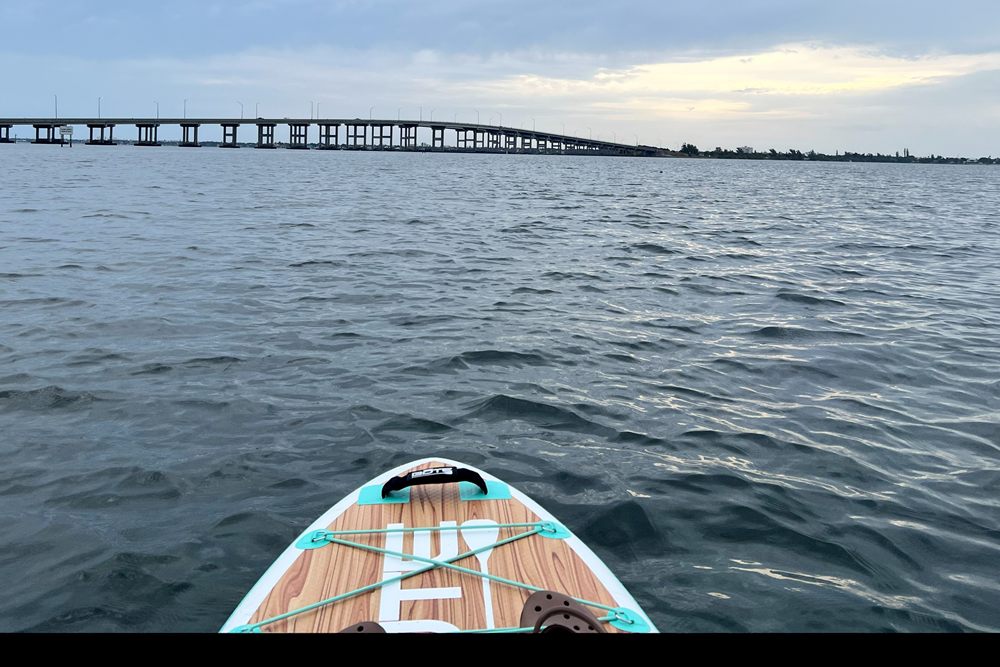
Weekends on the Indian River Lagoon, the water this city is built around.
Finish what we started.
Melbourne has over a dozen concrete boxes under city streets that catch trash as well harmful chemicals and sediment before it reaches the lagoon, and city crews pump them out every month. The biggest one yet is going in on Apollo Boulevard. It came from a state grant, the county lagoon surtax and our stormwater fund, not your property taxes. I'll keep chasing that outside money and protecting the crews who keep it working.
Export the model.
Melbourne holds a seat at the Space Coast League of Cities, and every city on this lagoon has the same runoff problem, yet most haven’t done what we have. Our council should make that case at every regional table we sit at, north to south.
Same rules for the big guys.
A homeowner gets a citation, but a developer with a failed silt fence and a muddy runoff plume gets a warning letter. That’s backwards. We cannot compromise around the health of our environment and we need someone fighting to hold developers accountable, ensuring their violations are corrected in weeks instead of months.
04
Getting Around
Bike paths, shade and somewhere to sit.
Melbourne is a hard place to get around without a car, and it doesn’t have to be. Most of what’s missing is small, like a shaded bench at the bus stop or a safe path to bike between neighborhoods.
Paths where we already mow.
Melbourne mows miles of grass along drainage canals and city easements. That’s well-maintained, publicly owned, mostly straight and mostly flat land where trails could connect neighborhoods to parks, schools and businesses without buying a single new parcel.
Fix the sidewalks before somebody gets hurt.
We have good sidewalk coverage, but there are missing segments, tripping hazards and skipped maintenance across the city. Concrete now is cheaper than a claim later. I’ll survey the sidewalks in our busiest walking areas, publish the list and work with city crews to fix the worst hazards first.
Shelters and benches at bus stops.
Most stops in this city are a sign in the dirt. The county runs the bus routes, but shade and a place to sit are things our city can fund, and something we can push the county to match.